
Quieting the Monkey Mind
Finding Peace in a Chaotic World

Simple Practices for
Finding Peace in a Chaotic World
The Mind That Won’t Be Still
There is a term from Buddhist tradition that names what most of us experience daily: the monkey mind.
Picture a monkey in a tree — swinging from branch to branch, never resting, always grabbing for the next thing, chattering endlessly. This is the untrained human mind. It leaps from worry to worry, thought to thought, never settling, never quiet. It rehearses conversations that haven’t happened. It replays conversations that have. It catastrophizes the future. It regrets the past. It is everywhere except here, everywhen except now.
The monkey mind is not your enemy. It is a part of you that is trying to protect you, trying to solve problems, trying to keep you safe. But it has forgotten how to rest. It has forgotten that safety also lives in stillness. It has forgotten that some problems cannot be solved by thinking harder — they can only be dissolved by being present.
This paper is about quieting the monkey. Not killing it, not caging it, not hating it for its noise. Just... settling it. Giving it permission to rest. Showing it that stillness is safe, that presence is home.
The practices here are simple. Radically simple. Because the monkey mind is not calmed by complexity — complexity is its food, its fuel, its reason to keep swinging. The monkey is calmed by the ordinary. By breath. By tea. By bare feet on soil. By the small, embodied acts of being here. You truly already have everything you need to calm the monkey mind. You were born with it. It’s happening right now. Here in this moment, and this one, and this one.
Your breath.
Not special breath. Not complicated breath. Just breath — noticed, lengthened, released.
Here is the truth that changes everything: when you control the breath, you control the nervous system. The monkey mind is not just mental chatter — it is a physiological state. It is your nervous system in activation, in vigilance, in the sympathetic mode of fight-or-flight. And the fastest way to shift that state is not through thinking (thinking is the monkey’s domain) — it is through breathing. The Calming Breath This is the simplest practice. It works immediately. It can be done anywhere.
The Pattern:
- Inhale through the nose for a count of 4
- Hold for a count of 4
- Exhale through the nose or mouth for a count of 6-8 — longer than the inhale
Let the exhale carry a soft hum and weave it into the heart.
That’s it.
The key is the extended exhale. When you exhale longer than you inhale, you activate the parasympathetic nervous system — the rest-and-digest mode. You are literally telling your body: “We are safe. We can relax. There is no tiger chasing us.”
The hum adds another layer. Humming creates vibration in the chest, stimulates the vagus nerve, and gives the mind something to focus on besides its own chatter. Hum into your heart. Feel the vibration there. Let the heart receive the sound like a gift.
The One-Moment Practice
You do not need to sit for an hour. You do not need perfect conditions. You can calm the monkey mind in a single breath.
Try this:
Take a breath right now. Let your eyes soften — even go slightly out of focus. Go inward. Just for this one moment, notice the stillness at the bottom of the exhale. That pause between breaths. That space where nothing is happening.
Feel it?
That is peace. It was always there, beneath the noise. You just noticed it.
Now release the breath. Let the tension go with it. Then go about the rest of your day.
That’s meditation. That’s the beginning. Not grand enlightenment in lotus position — just this. One breath. One moment of noticing. The stillness that was always there. When you take these little moments to notice the stillness those moments will start to build into habitual calmness. A small noticing of a moment and a breath. Work toward noticing more of these moments. They are available all day, every day. Between tasks. Waiting in line. Sitting in traffic. The stillness is always there, waiting for you to notice.
Tea as Ceremony — Calming Recipes for the Anxious Mind
There is medicine in slowness. In warmth held between two hands. In steam rising, carrying scent into the breath. In the ritual of preparation. Tea is not just a beverage — it is a practice and a medicine. The act of making tea, when done with presence, is itself a meditation. And certain herbs carry medicinal properties that directly support the nervous system in finding calm.
Recipes for the Monkey Mind
The Peaceful Mind Blend- For general anxiety, racing thoughts, mental overwhelm
Ingredients:
- 1 part chamomile flowers — gentle sedative, soothes nervous tension
- 1 part lemon balm (melissa) leaf— calms the mind, lifts mood gently
- ½ part lavender flowers — relaxes without sedating, eases worry
- ½ part passionflower — quiets mental chatter, excellent for racing thoughts
- Pinch of rose petals — opens the heart, reminds you of beauty
Preparation:
Use 1 tablespoon of blend per cup of hot water. Pour water just below boiling over herbs. Cover and steep for 10-15 minutes — the covering is important, as it keeps the volatile oils from escaping with the steam. Strain. Sweeten with honey if desired.
Optional add a slice of Lemon.
Note: Add honey and lemon for throat chakra activation or soothing a sore throat.
Practice:
As the tea steeps, do nothing else. Watch the steam this is a great practice to calm the monkey mind. Smell the herbs releasing. When you drink, hold the cup with both hands. Feel the warmth. Say a little mantra over your cup before you take a sip like “May this tea nourish and calm my soul in all the ways I need today” Sip slowly. Let each sip be a small meditation.
The Grounding Root Tea
For anxiety that feels unmoored, scattered, disconnected from body
Ingredients:
- 1 part ashwagandha root — adaptogen, calms the stress response, grounds
- 1 part licorice root — sweet, supportive to adrenals, harmonizes other herbs
- ½ part ginger root — warming, aids digestion, brings energy downward
- ½ part cinnamon bark — warming, stabilizing, comforting
- ¼ part valerian root( heavy earthy flavor)— deeply calming (use less if the smell/taste bothers you)
Preparation:
This is a root tea, so it needs to be simmered rather than steeped. Add 1 tablespoon of blend to 2 cups of water. Bring to a gentle boil, then reduce heat and simmer, covered, for 20-30 minutes. Strain. The tea will be earthy and warming.
Practice: Drink this tea in the evening, when you need to come back into the body after a scattered day. Feel it warming you from the inside. Feel the roots of the plants grounding you. Before Drinking any beverage or eating any food I recommend asking the food/ beverage for what you want it to nourish for you in that moment. When we physically put out to the universe the vibration of our needs it listens and responds accordingly to what you transmit to it. So, I feel it is a good practice to always remind myself of what I am grateful for in this world. It does not have to be a big thing it can be something small like seeing a butterfly, or that your kid actually put some clothes in the laundry today. But finding the moments for peace make for good habits in calming the monkey mind.
The Heart-Opening Calm Blend
For anxiety mixed with grief, heartache, or emotional heaviness
Ingredients:
- 1 part hawthorn berries and leaves — heart tonic, opens emotional heart, calms palpitations
-1 part citrus bergamot leaves- helps with inflammation and heart health
- 1 part rose petals— soothes heartache, reminds of love
- 1 part holy basil (tulsi) — adaptogen, lifts spirits, clears stagnant energy
- ½ part linden flower — calms, opens, softens the heart
- ¼ part motherwort — calms heart palpitations, soothes anxiety with grief
Preparation:
Use 1 tablespoon per cup. Pour hot water over herbs. Steep covered for 15 minutes. Strain.
Practice:
Before drinking, hold the cup to your heart. Let the warmth radiate into your chest. Speak silently to your heart: “I am here. I am listening. What do you need?” Then drink slowly, listening, receiving.
The Sleep and Surrender Tea:
For nighttime anxiety, racing thoughts before bed
Ingredients:
- 1 part valerian root — sedative, calms the nervous system
- 1 part passionflower — quiets mental chatter
- 1 part skullcap — releases tension held in body, calms circular thinking
- ½ part hops flowers — sedative, induces sleep
- ½ part chamomile— gentle, soothing, safe
Preparation:
Simmer valerian root in 2 cups water for 10 minutes. Remove from heat, add remaining herbs, cover, and steep for another 15 minutes. Strain.
Practice:
Drink 30-60 minutes before bed. As you drink, consciously release the day. Say silently: “I have done enough. Tomorrow can hold tomorrow’s concerns. I release this day.”
A Note on Sourcing
When possible, use organic herbs from trusted sources. The plants carry not only their chemical constituents but also the energy of how they were grown, harvested, and handled. Plants grown with care carry different medicine than plants grown carelessly.
If you have access, grow some of these herbs yourself. Chamomile, lemon balm, lavender, and holy basil all grow readily in gardens or pots. There is additional medicine in drinking tea from plants you have tended with your own hands.
Grounding — Returning to the Earth
The monkey mind is often a sign that we have become ungrounded — disconnected from the body, from the earth, from the stabilizing force of the physical world. We live in our heads, in our screens, in our worries about future and past. We forget we have bodies. We forget the earth is beneath us. Grounding is the remedy.
Barefoot on the Earth. This is the simplest grounding practice, and one of the most powerful. Take off your shoes. Step onto grass, soil, sand, or stone. Stand there. That’s it.
What happens when you do this is not mystical — it is electrical. The earth carries a negative charge. Modern life, with rubber-soled shoes and insulated buildings, disconnects us from this charge. When you stand barefoot on the earth, free electrons flow from the ground into your body, neutralizing positively-charged free radicals and reducing inflammation.
But beyond the physics, there is the felt sense. Feel your feet on the ground. Feel the texture — cool grass, warm sand, rough stone. Feel the earth holding you, supporting you. You are not floating in anxiety — you are standing on a planet. You have ground beneath you. Let the gravity pull you back down to her back down into yourself. Connect.
Practice:
Stand barefoot on earth for at least 10-15 minutes daily. Morning is ideal — the earth is still cool, the day hasn’t scattered you yet. But any time works.
As you stand:
1. Feel the soles of your feet. Notice every sensation — temperature, texture, pressure.
2. Imagine roots extending from your feet into the earth. Going down through soil, through rock, toward the center of the planet.
3. Breathe. On the inhale, feel stability rising from the earth into your body. On the exhale, feel tension, worry, and scattered energy draining down through the roots into the ground.
4. The earth can take it. The earth can compost anything. Give her your anxiety. She will transform it.
Hugging a Tree
This sounds whimsical until you try it.
Trees are old. Trees are still. Trees have spent decades or centuries doing one thing: standing in one place, breathing slowly, reaching toward light while rooting into dark. They are masters of what the monkey mind has forgotten — how to be still, how to be present, how to grow without rushing. Trees are also good listeners. They don’t interrupt. They don’t judge. They don’t offer advice. They just stand there, present, solid, patient.
Practice:
Find a tree that calls to you. Approach it with respect — this is a living being older than you, more patient than you, more rooted than you. Ask permission, Listen for Answers.
Stand facing the tree. Place your hands on its bark. Feel the texture. Now lean in. Let your forehead touch the trunk if it feels right. Let your body rest against the tree. Wrap your arms around it if the trunk size allows. You can just hold it in your hand if it is a small tree, plants, flowers, bushes, any living nature will do. But the trees hold the wisdom of the ancients. Once you have made physical contact then — unload whatever you need to release.
Tell the tree what’s on your heart. Silently or aloud. Tell it your worries, your fears, your racing thoughts. You can speak or you can simply feel — letting the emotional weight transfer from your body into the tree.
The tree can take it. Trees are alchemists — they take carbon dioxide and make oxygen, they take sunlight and make sugar. They can take your anxiety and compost it into stillness.
Stay as long as you need. Before you leave, offer thanks. Remember to place your hand on the trunk and simply say, “Thank you.”
This is not silly. This is ancient. Our ancestors knew that trees were allies. We have simply forgotten.
Clearing the Space — Smoke, Scent, and Sacred Plants
The monkey mind is not only internal — it is also environmental. We absorb the energies of the spaces we inhabit. Chaotic spaces create chaotic minds. Stagnant spaces create stagnant energy. Clearing practices reset the field. They are housecleaning for the invisible energies that are always at play around us.
Burning Palo Santo
Palo santo — “holy wood” — comes from a tree native to Peru in South America. The wood is harvested only after the tree has died naturally and fallen, then aged for years. This process concentrates the aromatic compounds and, some say, the spiritual medicine.
The scent is warm, sweet, and slightly citrus. It clears heavy energy while inviting peace. Unlike sage, which is strongly clearing, palo santo clears as well as blisses — it makes space for something good to enter. I always use it to clear my Tarot decks before a reading.
Practice:
Light the end of a palo santo stick until it catches flame. Let it burn for about 30 seconds, then blow out the flame. The stick will smolder and release fragrant smoke.
Move through your space, letting the smoke reach corners, doorways, and any areas that feel heavy or stuck. As you move, hold an intention — something like: “I release stagnant energy from this space. I invite peace, clarity, and calm.”
You can also use the smoke around your own body. Wave the smoke around your head, heart, and limbs, clearing your personal biofield.
When finished, place the stick in a fireproof dish. It will extinguish on its own. After it has done its work.
Use palo santo when:
- You need to shift the energy of a space
- Before meditation or calming practices
- After conflict or emotional heaviness
- When a room feels “off” for no clear reason
-to clear tarot cards before a reading.
Burning Sage
White sage (Salvia apiana) is the traditional clearing herb of many Indigenous North American peoples. Its smoke is strongly purifying — it doesn’t just shift energy, it clears it completely. Sage is the reset button.
The scent is herbaceous, sharp, and distinctive. It cuts through energetic debris.
A Note on Respect:
White sage is sacred to many Indigenous peoples and has been overharvested due to its popularity. If you use white sage, source it ethically — ideally from Indigenous growers or businesses. Consider also growing your own garden sage (Salvia officinalis) or using other clearing herbs like rosemary, cedar, or juniper as alternatives.
Practice:
Light the end of a sage bundle until it catches flame. Let it burn for a moment, then blow out the flame. The leaves will smolder. If the sage goes out or does not stay lit, it is not meant to be used or is being used for the wrong intention.
Move through your space, using a feather or your hand to direct the smoke into corners and stagnant areas. It is important to Open a window or door — you are clearing energy, and it needs somewhere to go.
Hold the intention: “I clear all that does not serve. I release density, negativity, and stagnation. This space is clean.”
When finished, lay in a fireproof dish the sage will go out when the clearing is done.
Use sage when:
- A space feels heavy, dense, or oppressive
- After illness, conflict, or intense emotions
- When moving into a new home
- Before important rituals or practices
- When you need a complete reset
- Upon the passing of a loved one to help their soul into the next dimension-Always open a window or door to let them move on.
Essential Oils for Calming
If smoke is not practical — you’re in an office, shared space, or smoke-sensitive environment — essential oils offer another pathway to shifting state through scent.
Scent is the most direct route to the emotional brain. Smell bypasses the rational mind and goes straight to the limbic system, where emotions and memories live. The right scent can shift your state in seconds.
Calming Essential Oils:
| Oil | Properties | Best For |
Lavender | Calming, balancing, gentle sedative | General anxiety, sleep, everyday calm
Chamomile (Roman)| Deeply soothing, eases worry | Nervousness, irritability, racing thoughts
Frankincense | Grounding, spiritual, deepens breath | Meditation, grounding, spiritual connection
Vetiver| Deeply grounding, earthy | Scattered energy, ungroundedness, panic
Bergamot | Uplifting yet calming, releases tension | Anxiety mixed with low mood
Ylang Ylang | Heart-opening, euphoric, calms anger | Heart-centered anxiety, stress-related tension
Cedarwood | Grounding, stabilizing, woody | Mental chatter, need for stability
Sandalwood | Calming, spiritual, meditative | Deep meditation, spiritual practice
Clary sage | Euphoric, calms nervous system | Hormonal anxiety, deep relaxation
Ways to Use:
1. Diffuser: Add 5-10 drops to a water-based diffuser. Let the scent fill your space during meditation, work, or sleep.
2. Direct inhalation: Place 1-2 drops on your palms. Rub hands together. Cup over nose and mouth. Breathe deeply 3-5 times.
3. Topical application: Dilute in a carrier oil (jojoba, coconut, almond) and apply to wrists, temples, or the back of neck. Most oils should not be applied undiluted.
4. Bath: Add 5-10 drops mixed with a carrier oil or Epsom salts to a warm bath.
5. Pillow: A drop of lavender on your pillow supports calmer sleep.
A Calming Blend:
- 3 drops lavender
- 2 drops frankincense
- 2 drops vetiver
- 1 drop chamomile
Combine in a diffuser or dilute in carrier oil for topical use. This blend grounds, calms, and opens the breath.
Other Tools:
Crystals are conductors of energy. We can use crystals for the anxious mind. They can help in clearing a space or in personal growth spots where you need a little extra support. crystals are objects of focused attention. Whether their effect is “energy” in some literal sense or simply the result of intention and association, they work by giving the mind something to focus on besides its own chatter. The monkey mind needs objects of attention. Crystals provide this. They are beautiful, tactile, portable reminders of calm.
Use them as tools. Hold them during meditation. Place them on your body. Keep them in your pocket as touchstones throughout the day. Let them anchor your intention.
Crystals for Calming the Monkey Mind
Amethyst:
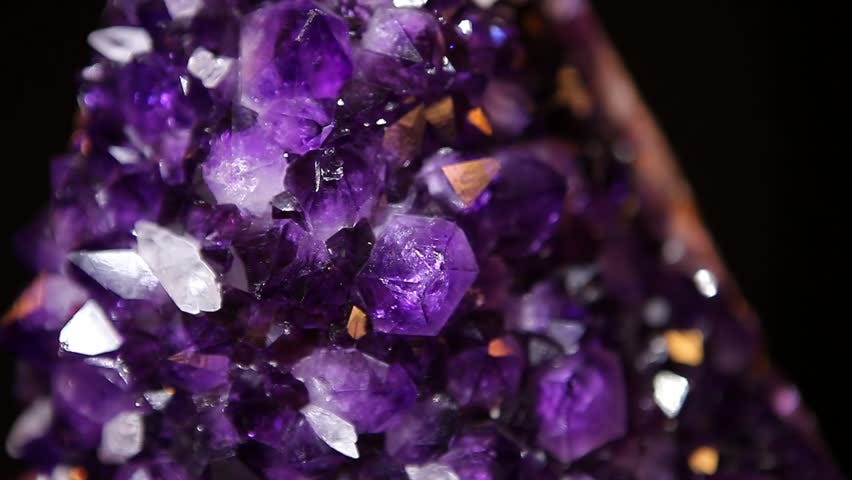
The stone of peace and sobriety
Color: Purple, from pale lavender to deep violet
Properties: Calms the mind, soothes irritability, aids sleep, connects to intuition and higher guidance
Best for: Overthinking, insomnia, spiritual disconnection, needing to connect anxiety to larger meaning
Practice: Place amethyst on your forehead (third eye point) during meditation. Let it quiet the mental chatter and open intuitive knowing.
Lepidolite:
The stone of transition
Color: Lavender, purple, sometimes with sparkle (contains natural lithium)
Properties: Deeply calming, stabilizes mood swings, eases anxiety and depression, supports change
Best for: Anxiety during transitions, mood instability, when you need gentle support
Practice: Hold lepidolite in your left hand (receiving hand) during times of anxiety. Let it remind you: change is safe. Transitions are survivable.
Black Tourmaline:
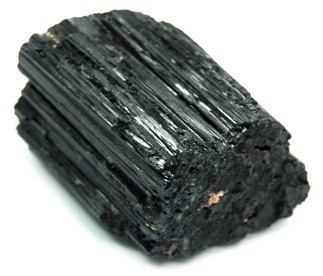
The stone of protection
Color: Black, opaque
Properties: Grounding, protective, absorbs negative energy, creates boundary between you and external chaos
Best for: Anxiety from external sources, feeling overwhelmed by others’ energy, needing protection and grounding
Practice: Keep black tourmaline by your front door, on your desk, or in your pocket. It acts as an energetic filter, helping you stay grounded in your own field.
Smoky Quartz
The stone of grounding
Color: Brown to gray, translucent
Properties: Grounding, clearing, transforms negative energy, connects to earth
Best for: Scattered anxiety, feeling ungrounded, needing to release fear
Practice: Hold smoky quartz while doing grounding breath. Visualize anxiety draining down through the crystal into the earth.
Rose Quartz:
The stone of the heart
Color: Pink, from pale to deep rose
Properties: Opens heart, soothes emotional wounds, promotes self-love, calms through connection to love
Best for: Anxiety mixed with heartache, self-criticism, needing gentleness with yourself
Practice: Place rose quartz on your heart during meditation. Let it remind you: you are loved. You are worthy of peace. The heart can be soft and safe.
Blue Lace Agate

The stone of calm communication
Color: Pale blue with white banding
Properties: Extremely calming, soothes the throat, helps express truth gently, cools hot emotions
Best for: Anxiety about communication, fear of speaking, needing to cool down reactive emotions
Practice: Hold blue lace agate when you need to have a difficult conversation, or when anxiety is making it hard to express yourself.
Howlite:
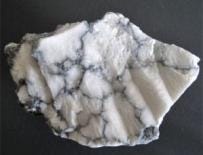
The stone of patience
Color: White with gray veining
Properties: Calms overactive mind, promotes patience, aids sleep, teaches stillness
Best for: Racing thoughts, impatience, insomnia, needing to slow down
Practice: Place howlite under your pillow for calmer sleep. Hold it during meditation to encourage the mind to slow.
Working with Crystals
Cleansing: Crystals absorb energy and benefit from regular cleansing. Methods include:
- Moonlight (place outside or on windowsill during full moon)
- Smoke (pass through sage or palo santo smoke)
- Sound (singing bowl, bell, or voice)
- Earth (bury in soil overnight)
- Salt Water (only for water-safe crystals — NOT for selenite, malachite, or other soft stones- it’s ok to get these wet just do not leave them emersed in water only dip them for cleansing.)
Charging: After cleansing, hold the crystal and state your intention. “I charge this crystal to support my calm. I charge this crystal to quiet my mind.” Your intention programs the stone.
Carrying: Keep a calming crystal in your pocket. When anxiety rises, reach for it. Touch it. Let the touch remind you: calm is available. Presence is possible.
Practice Gratitude
The monkey mind is always looking for problems. This is its job — it evolved to scan for threats, for dangers, for what might go wrong. It is very good at this job. Too good.
Gratitude is the counterbalance. It trains the mind to scan for what is right, what is working, what is gift rather than threat. Gratitude does not deny problems — it expands the field of vision to include what the monkey mind ignores.
And here is the secret: gratitude is vibrational. It holds a frequency. When you feel genuine gratitude, you emit a frequency. That frequency is close to love. The universe — whatever you understand that to mean — responds to frequency. Fear broadcasts one signal; gratitude broadcasts another. What you broadcast, you attract more of.
This is spiritual currency it’s not not magical thinking. This is attention. What you are Paying your Attention to is what you attend to, it grows in your experience. Attend to problems, and problems fill your field. Attend to gifts, and gifts become visible everywhere.
The Little Things
Gratitude need not be grand. In fact, the practice is most powerful when focused on the small, the ordinary, the easily overlooked.
The warmth of the cup in your hands.
The breath that came without effort.
The bird you heard this morning.
The fact that your body carried you through today.
Fresh Clean Water.
A safe place to land.
One person who cares whether you exist.
The monkey mind wants to skip past these — too small, too obvious, not worth noticing. But the opposite is true. The small things are where gratitude becomes real. Anyone can be grateful for a windfall. Can you be grateful for a glass of water?
Gratitude Practice for the Anxious Mind
Daily Practice:
Each morning or evening, write or speak three things you are grateful for. They should be specific and from the current day:
Not: “I’m grateful for my family.”
But: “I’m grateful for the way my daughter laughed at breakfast.”
Not: “I’m grateful for my health.”
But: “I’m grateful that my body let me walk to the mailbox without pain.”
Specificity makes it real. Vagueness keeps it abstract. The monkey mind can’t argue with specifics.
In-the-Moment Practice:
When anxiety rises, pause. Take one breath. Ask: “Right now, in this exact moment, what is okay? What is working? What specifically is this thought,feeling,energy, I’m having?” then try to pinpoint where it is rooted, where is it coming from.
Find one thing. It might be tiny: “My feet are warm.” “I can see out this window.” “Air is entering my lungs.”
Let that one thing anchor you. Gratitude is a rope back to the present moment, and the present moment is the only place peace exists.
Gratitude as Breath:
Combine gratitude with the calming breath:
- Inhale and think of one thing you’re grateful for
- Hold and let yourself feel it — really feel the gratitude
- Exhale slowly and release with a hum always weave it into the heart
Let the gratitude vibrate in your chest. Let it replace the anxiety. They cannot occupy the same space.
Trust — The Universe Provides
The monkey mind is, at its root, a fear of scarcity. Fear that there won’t be enough — enough money, enough time, enough love, enough safety. Fear that you must figure everything out yourself because no one and nothing else can be trusted to provide.This fear is understandable. It may even have been useful once. But it is not true.
The universe provides.
I don’t mean this in a naive way — that you can sit back and do nothing and everything will be handed to you. I mean it in a deeper way: that you are held by something larger than yourself, that life wants to support life, that you are not alone in the work of existing.
Look at the evidence: You are here. You have survived every day so far. Somehow, improbably, you have been fed, sheltered, carried through. Yes, it has been hard sometimes. Yes, there have been losses. But you are here. Something has provided for that.
The practice is to trust this. Not blindly, not passively, but actively — to align your frequency with trust rather than fear. Fear broadcasts: “There is not enough, I must grasp and hoard and worry.” Trust broadcasts: “There is enough, I can receive and release and flow.” And here is the strange truth: the frequency you emit shapes what you receive. Not because the universe is magical, but because your frequency shapes your perception, your choices, your openness to opportunity. Fear constricts; trust expands. In constriction, you miss the gifts right in front of you. In expansion, you see them everywhere.
Practices for Trust
The Mantra:
“The universe provides for me. I am supported. I have everything I need for this moment.”
Speak this when anxiety about scarcity arises. Not as denial of real challenges, but as a reminder of what is also true.
The Evidence Journal:
The monkey mind thinks trust is naive because it forgets the evidence. Keep a running log of times when things worked out — when you didn’t know how something would resolve, and it resolved. When what you needed appeared. When you were held.
Review this journal when fear is loud. Let the evidence speak.
The Surrender Practice:
Bring to mind something you’re anxious about. Something you’re trying to control, figure out, manage. Take a breath. Say: “I release my grip on this. I trust the process. I trust that what I need will come.”
This is not giving up. It is giving over. There is a difference. You still take action — but from openness, not from fear.
The Zen Point — Where the Mind Becomes Still
There is a place inside you where the monkey cannot reach. A point of stillness, of presence, of pure awareness beneath the chatter. Different traditions call it different things: the witness, the observer, the still point, Buddha-nature, the Self.
I call it the Zen Point. Not because it belongs to Zen Buddhism specifically, but because the word evokes what it is — that quality of still, alert, empty-yet-full presence that the Zen masters point toward.
The Zen Point is not something you create. It is something you uncover. It is always there, beneath the noise, the way the sky is always there beneath the clouds.
The practices in this paper — breath, tea, grounding, gratitude, crystals, smoke, trees — are all ways of clearing the clouds. They quiet the monkey, calm the noise, part the chaos. And underneath, you find the Zen Point waiting. It was never gone. You just couldn’t hear it over the chattering.
Finding the Zen Point
The Focused Breath: Sit comfortably. Close your eyes.
Begin the calming breath:
- Inhale for 4
- Hold for 4
- Exhale for 6-8, with a soft hum woven into the heart
Do this for several rounds. Let the breath be your anchor.
Now, notice: there is the breath, and there is that which notices the breath. There is the hum, and there is that which hears the hum.
Rest attention on the noticer. The one who is aware.
This is closer to the Zen Point. It is not a thought — it is the awareness that sees thought. It is not an emotion — it is the space in which emotion arises.
Stay here as long as you can. When thought pulls you away, gently return. The breath is your anchor. The Zen Point is your home.
The Soft Eyes:
You can access the Zen Point with eyes open.
Let your gaze soften. Don’t focus on anything specific. Let vision become peripheral, wide, unfocused. In this soft gaze, notice: the mind quiets. When you’re not focusing on any one thing, the monkey has nothing to grab. The chatter slows.
Rest in this soft gaze. Breathe. Let the stillness emerge.
This can be done anywhere — in a meeting, on a walk, waiting in line. Soft eyes, soft breath, soft mind. The Zen Point is available.
The Pause Between Breaths:
At the end of the exhale, before the next inhale begins, there is a pause. A gap. A moment of complete stillness.
Notice this pause. Rest in it. Don’t rush to the next inhale. Let the stillness extend, just slightly.
In that gap, there is no thought. There is only presence. That is the Zen Point.
The Frequency of Being
You are a broadcasting tower. At every moment, you emit a frequency — through your thoughts, emotions, breath, and being. This is not metaphor; it is physics. Thoughts are electrochemical events; emotions have physiological signatures; the heart generates an electromagnetic field that extends beyond the body.
The universe listens to your frequency. Not like a genie waiting to grant wishes, but like an echo — what you put out shapes what comes back.
Fear broadcasts fear. When you vibrate with anxiety, worry, and scarcity, you perceive the world through that filter. You make choices from that state. You attract circumstances that match that frequency — not magically, but through the thousand small ways your state shapes your reality.
Love broadcasts love. When you vibrate with gratitude, trust, and openness, you perceive differently. You choose differently. You attract differently.
Gratitude is bred in love. Gratitude is not just a thought — it is a frequency, close to the frequency of love. When you cultivate genuine gratitude, you shift your broadcast. You move from the fear channel to the love channel. The monkey mind lives on the fear channel. It knows no other station. The practices in this paper are ways of changing the channel. Breath by breath, you tune away from fear. Gratitude by gratitude, you tune toward love.
The Manifestation Principle. Here is something important:
When you get anxious about something, that anxiety is what manifests.
Not because the universe is cruel, but because anxiety is a frequency, and that frequency shapes what you create, perceive, and attract.
You want something — a relationship, a job, a healing, a change. You envision it, which is good. But then the monkey mind takes over: “What if it doesn’t happen? What if I don’t deserve it? What if, what if, what if?” The vision gets coated in fear. The frequency shifts from “I am creating this” to “I am afraid this won’t come.”
The universe hears the frequency, not the words. It hears fear. It echoes fear back.
The practice is to envision without anxiety. To hold the vision with trust, with gratitude for it as if it is already real, with faith that the universe is conspiring in your favor.
This is not easy. The monkey mind is strong. But this is the work.
The Practice: Envision, Hum, Realize
1. Envision it in the moment of the breath.
Take a breath. In the inhale, envision what you want — not as distant hope, but as present reality. See it, feel it, inhabit it.
2. Hum it into fruition in your heart.
On the exhale, hum into your heart. Let the vibration carry the vision into your body. You are not wishing for something out there. You are vibrating it into being, here, in your chest.
3. Realize the power within to create.
Know that you are the creator of your experience. Not by controlling external circumstances, but by controlling your frequency. The power is within. It always was.
4. When anxiety arises, notice it.
See the fear. Name it. “Ah, here is the anxiety that wants to coat my vision in doubt.” Do not fight it — that gives it energy. Simply notice, then return to the vision, return to the hum, return to trust.
The frequency you emit is the life you create. Choose it consciously. Envision it clearly. Hum it into your heart. And trust.
The Simple Things — A Return to Presence
We have covered much ground. Breath techniques. Tea recipes. Grounding and earthing. Tree wisdom. Sacred smoke. Essential oils. Crystals. Gratitude. Trust. The Zen Point. Manifestation and frequency.
It might feel like a lot.
So let me bring it back to what matters most:
It really is the little things. The simple act of focusing on the breath.
Inhale.
Hold.
Exhale longer than the inhale, with a hum woven into the heart.
That’s enough. That’s everything. All the other practices are variations on this theme, different doorways to the same room.
Meditation does not need to be an hour in lotus position. It does not require grand enlightenment or transcendent experiences. It starts with small steps of attention. Then focus. Then return when the mind wanders. Then return again.
The simple practices of being in the moment. Understanding that there is nothing you need to truly worry about, as the universe provides all we need. We just have to believe it and live it, as it is already happening the way we want it to unfold.
This is the truth: Peace is not a destination you arrive at after enough effort. Peace is here, now, underneath the noise. The practices don’t create peace — they clear away what obscures it.
A Day of Small Moments for Practice:
You could spend all day in formal practice, and that would be beautiful. But most of us have lives, jobs, children, responsibilities. So here is what a day of small practices looks like:
Morning:
- Before rising, three conscious breaths
- Set a simple intention for the day
- One minute of gratitude: three specific things
Throughout the day:
- Sighing breaths when stress accumulates (sigh releases the valve)
- One moment of soft eyes and presence (even for 10 seconds)
- Touch your grounding stone or crystal in your pocket
- A cup of tea made with presence
- Step outside, barefoot if possible, for even 2 minutes
Evening:
- Light palo santo or diffuse calming oils
- Longer breath practice: 5 minutes of calming breath with hum
- Write or speak your gratitudes- find 3 little bits of gratitude that happened to you during your day and write them down. What made you smile today?
- The sleep mantra: “I have done enough. I am enough. I release this day.”
Ongoing:
- When the monkey mind is loud, return to the breath
- When anxiety spikes, find one thing you’re grateful for
- When you feel scattered, touch the earth
- When the heart is heavy, tell it to a tree
These are small things. Ordinary things. Things you can do in the margins of life, in the cracks between obligations.
But they accumulate. They build. They shift your baseline. Frequency by frequency, breath by breath, you move from chaos to calm. From fear to love. From monkey mind to Zen Point.
Remember The Breath Is Always Here:
I will leave you where we started: with the breath.
Right now, you are breathing. You were breathing before you started reading this. You will breathe after you stop. The breath continues, whether you notice it or not.
But notice it now……….. Feel the air entering your body. Feel your chest and belly expand. Feel the subtle pause at the top of the inhale. Now feel the exhale. Feel the release. Feel the tension leaving with the air. Feel the pause at the bottom, that stillness, that space where nothing is happening. That space is the Zen Point. That space is peace. That space is always available, no matter how loud the monkey is chattering.
You don’t have to quiet the mind forever. You just have to find the space between thoughts. The stillness between breaths. The presence beneath the noise.
It’s there. It’s always there.
Take a cleansing breath now. Release the tension with the exhale. Let the mind settle, if only for this one moment. Now go about your day. Carry the stillness with you. Return to it when you forget. The breath is always here. The Zen Point is always available. The universe is always providing. You just have to remember.
Breathe.
Find what you are grateful for and breathe with that.
Kaulean Morningstar
1-8-2k26
Lovely! Thank you this reminder to quiet our minds in these troubled times!❤️